Solar is great, but will never be the only source. The same way burning carbon has never been the only source.
We need to be able to cleanly generate electrons any time, any place and solar can’t do that. Neither can wind, neither can oceans, neither can hydro. We have nuclear now, we still need fusion and geothermal ASAP.
I read a study last fall claiming that with current technology, renewables plus batteries is the cheapest way to generate power, up over 95%! Beyond that you’d have to way overbuild to catch rare weather events so keeping a few gas peaker power plants around are cheaper.
And that was before this years announcements on sodium batteries and aluminum batteries
It must be wild being the kind of person who reads about a piece of positive news like any renewable being widely adopted and then believes that it means that everyone is going all-in, 100% on it. Also hydro powers nearly all of Québec and in Ontario there are plenty of different sources of power but we still call it a “hydro bill”, not an “electricity bill”.
You’re like the people who hear about reducing cars in city downtowns and bring up rural farmers needing their trucks as if anyone is talking about that.
Whoa, leave the farmers alone! We’ll never reach 100% farmer dependence. The sun doesn’t shine at night, so plants don’t grow, because they’re sleeping. If you’re hungry at nighttime, you’ll have to harvest from a sleeping plant, and they’ll get angry at you. This is why relying 100% on farmers will result in us eating all the farmers, just like the coal miners who eat only coal, but they also drink petrol. Going all-in on any single source is a recipe for disaster, which is why we need more tractors and need to teach cows how to drive the tractors so that we can eat them, too.
Solars power generation almost halves during winter in any semi-northern/southern region (compared to peak in summer). If wind isn’t plentiful in those areas then you do run into a generation issue.
Solar is great, but I do suspect that there will need to be something else beyond just solar and batteries to make renewable work.
Yeah, exactly. Right now people’s electricity usage drops during the winter because they use oil and gas. But my electricity usage is actually higher in the winter because we have electric heating.
I haven’t looked at wind powers efficacy, but I suspect wind and solar isn’t enough for generation in many places (or at least not economical yet). So there needs to be something else.
Not saying renewable aren’t the future, just calling out that there is still some things to figure out.
You and your source are oversimplifying things. All your source does is calculate peak solar energy.
The vast majority of households don’t have articulating solar panels, so they never reach peak solar generation. Most people just pick an installation angle and keep it there all the time.
My point is that if you pick an installation angle that is optimized for winter, it’s then less efficient during the summer, to the point where your daily energy generation ends up being similar. The downside is that each panel generates significantly less energy over the entire year, and you have to build capacity appropriately.
Is it worth the additional cost for more consistent power generation? Probably not. But my point is that it’s still possible.
There’s also another factor that you aren’t aware of: electronics are more efficient at lower temperatures. It’s not enough that a panel in winter will beat a panel in summer if the two panels’ angles are optimized for those seasons, but it does skew calculations.
Why do this threads always degrade to 100% renewable solutions only? We can generate most of our power via wind and sun, the rest we can buffer, we don’t need to eliminate burning just reduce it to sporadic buffering of the grid.
And more importantly that “most of our power” that can be generated by wind and sun is far higher than what we do now. This is not a valid argument against building out renewables as fast as possible.
It may be an argument about where our endpoint is but by that time technology and circumstances will both have changed so it’s still an invalid argument
Of course the planet’s systems can handle some degree of CO₂ emissions. But there are fields much harder to decarbonize than energy supply. Waste removal for example.
But insisting on a zero emissions solution is exactly what I would do if I were an oil and gas CEO.
Nuclear for flat energy output and as a fallback in case of grid failure, sure, but renewables are where it’s at. “If properly harvested, there is enough solar energy cast on the earth inan hour to power all of humanity for a year”.
We have the technology right now to do this. Solutions Project, like more than a decade ago, came up with a specific model for each individual state based on their unique geography and climates, modeling a specific mix of renewables that would work for that region. More offshore wind and solar for California, more geothermal for Hawaii, more solar-thermal towers fir the desert, etc. they also broke down the economic impact this would have in each region (which is very positive). And the messed up thing is that we know this plan would have worked, because Europe has kind of been doing exactly that and we’re starting to see the real benefits emerge.
Personally I advocate for a mixed-renewables energy model, ideally with a distributed micro-grid down to the neighborhood level.
TLDR: This is a solved problem and capitalists are actively suppressing it. Click around on the Solutions Project energy map for you area. It’s pretty neat:
This is great and looks quite doable …… for Massachusetts they’re projecting 55% offshore wind? While that makes sense, it’s not happening while taco Don Quixote is president. And even beyond current political chaos, trying to build offshore wind has been a decades long mess of environmental and people bottlenecks
We don’t need nuclear. We have geothermal, hydro, solar, tidal and wind energy. Combine that with a decentralized approach, a well designed grid infrastructure and storage capacity, voilà. No need for neither fossile nor nuclear.
Nuclear isn’t an energy source that can ramp up or down with demand. In fact, it can take hours to adjust the output.
While nuclear still has a place, that particular place is flat energy input and black start sites.


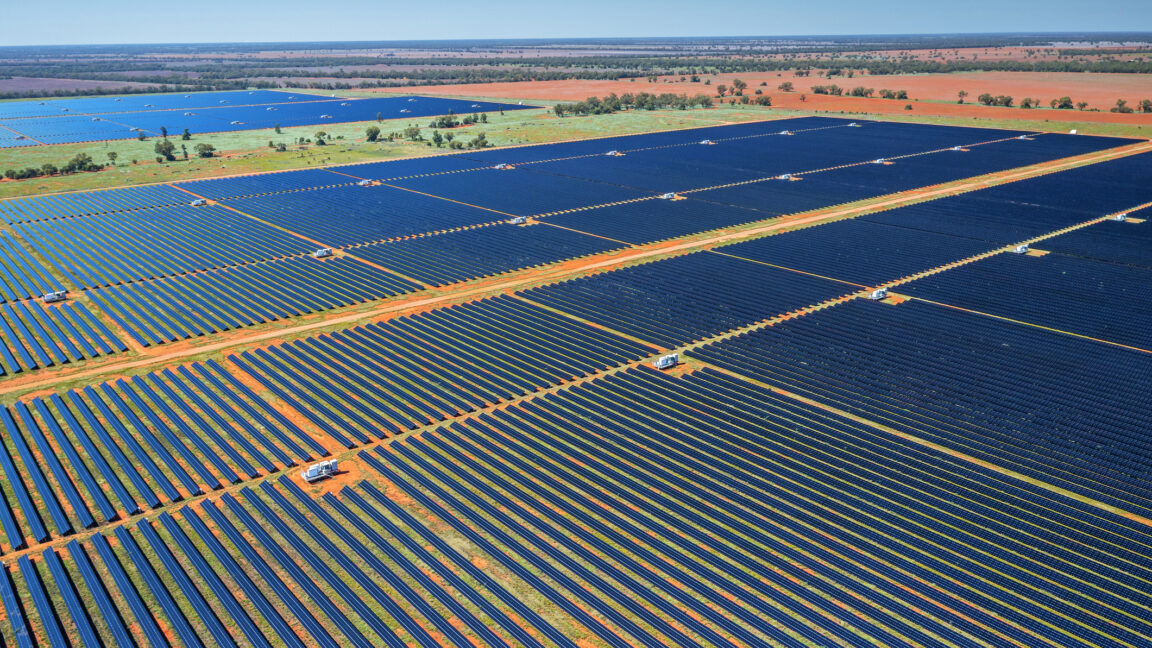
Solar is great, but will never be the only source. The same way burning carbon has never been the only source.
We need to be able to cleanly generate electrons any time, any place and solar can’t do that. Neither can wind, neither can oceans, neither can hydro. We have nuclear now, we still need fusion and geothermal ASAP.
I read a study last fall claiming that with current technology, renewables plus batteries is the cheapest way to generate power, up over 95%! Beyond that you’d have to way overbuild to catch rare weather events so keeping a few gas peaker power plants around are cheaper.
And that was before this years announcements on sodium batteries and aluminum batteries
All the battery tech is coming out of China. USA really shit the bed on ignoring battery R&D.
Like so many things, a lot of battery R&S was done in the US but someone decided it wasn’t profitable or something so we should just drop it
It must be wild being the kind of person who reads about a piece of positive news like any renewable being widely adopted and then believes that it means that everyone is going all-in, 100% on it. Also hydro powers nearly all of Québec and in Ontario there are plenty of different sources of power but we still call it a “hydro bill”, not an “electricity bill”.
You’re like the people who hear about reducing cars in city downtowns and bring up rural farmers needing their trucks as if anyone is talking about that.
Whoa, leave the farmers alone! We’ll never reach 100% farmer dependence. The sun doesn’t shine at night, so plants don’t grow, because they’re sleeping. If you’re hungry at nighttime, you’ll have to harvest from a sleeping plant, and they’ll get angry at you. This is why relying 100% on farmers will result in us eating all the farmers, just like the coal miners who eat only coal, but they also drink petrol. Going all-in on any single source is a recipe for disaster, which is why we need more tractors and need to teach cows how to drive the tractors so that we can eat them, too.
This is such a chaotic response. 11/10, no notes haha
Bro has never heard of batteries, apparently.
Solars power generation almost halves during winter in any semi-northern/southern region (compared to peak in summer). If wind isn’t plentiful in those areas then you do run into a generation issue.
Solar is great, but I do suspect that there will need to be something else beyond just solar and batteries to make renewable work.
Depending on location, power usage is drastically reduced in the winter due to air conditioning not being necessary.
You’d still need some form of energy for heat during most of those months. And the most efficient heating solution (heat pumps) requires electricity
See the Drake Landing project. Worked for 17 years in freezing Canada.
Solar piping heats up salt water and stores the heat underground in sand pits all summer, heats 52 houses all winter. low tech.
Yeah, exactly. Right now people’s electricity usage drops during the winter because they use oil and gas. But my electricity usage is actually higher in the winter because we have electric heating.
I haven’t looked at wind powers efficacy, but I suspect wind and solar isn’t enough for generation in many places (or at least not economical yet). So there needs to be something else.
Not saying renewable aren’t the future, just calling out that there is still some things to figure out.
You can actually get solar power generation to be fairly consistent between summer and winter by optimizing your panels’ angle for winter months.
No, you can’t.
For an extreme example, Anchorage Alaska will see 5-6 hours of sunlight in the peak of winter vs 19-20 in the summer.
Here is a good site that breaks down the averages across each state and talks about the highs and lows - https://www.thegreenwatt.com/average-peak-sun-hours-by-state/
You and your source are oversimplifying things. All your source does is calculate peak solar energy.
The vast majority of households don’t have articulating solar panels, so they never reach peak solar generation. Most people just pick an installation angle and keep it there all the time.
My point is that if you pick an installation angle that is optimized for winter, it’s then less efficient during the summer, to the point where your daily energy generation ends up being similar. The downside is that each panel generates significantly less energy over the entire year, and you have to build capacity appropriately.
Is it worth the additional cost for more consistent power generation? Probably not. But my point is that it’s still possible.
There’s also another factor that you aren’t aware of: electronics are more efficient at lower temperatures. It’s not enough that a panel in winter will beat a panel in summer if the two panels’ angles are optimized for those seasons, but it does skew calculations.
Why do this threads always degrade to 100% renewable solutions only? We can generate most of our power via wind and sun, the rest we can buffer, we don’t need to eliminate burning just reduce it to sporadic buffering of the grid.
And more importantly that “most of our power” that can be generated by wind and sun is far higher than what we do now. This is not a valid argument against building out renewables as fast as possible.
It may be an argument about where our endpoint is but by that time technology and circumstances will both have changed so it’s still an invalid argument
Fuck that, fossil’s too expensive
Not if demand drops 90%.
Because burning kills the climate. We need to eliminate it.
The planet can handle low levels of C02, just not the levels we are doing.
But insisting on a zero emissions solution is exactly what I would do if I were an oil and gas CEO.
Of course the planet’s systems can handle some degree of CO₂ emissions. But there are fields much harder to decarbonize than energy supply. Waste removal for example.
How so?
Not if it’s closed loop or C negative with renewable sources. There’s nothing inherently bad about combustion, it’s just the scale and externalities.
If you could make a solar that works at night, this guy will say that it can’t be moved. If it can be moved, he’ll say it doesn’t fit in the pocket.
Nuclear for flat energy output and as a fallback in case of grid failure, sure, but renewables are where it’s at. “If properly harvested, there is enough solar energy cast on the earth inan hour to power all of humanity for a year”.
We have the technology right now to do this. Solutions Project, like more than a decade ago, came up with a specific model for each individual state based on their unique geography and climates, modeling a specific mix of renewables that would work for that region. More offshore wind and solar for California, more geothermal for Hawaii, more solar-thermal towers fir the desert, etc. they also broke down the economic impact this would have in each region (which is very positive). And the messed up thing is that we know this plan would have worked, because Europe has kind of been doing exactly that and we’re starting to see the real benefits emerge.
Personally I advocate for a mixed-renewables energy model, ideally with a distributed micro-grid down to the neighborhood level.
TLDR: This is a solved problem and capitalists are actively suppressing it. Click around on the Solutions Project energy map for you area. It’s pretty neat:
https://thesolutionsproject.org/what-we-do/inspiring-action/why-clean-energy/
This is great and looks quite doable …… for Massachusetts they’re projecting 55% offshore wind? While that makes sense, it’s not happening while taco Don Quixote is president. And even beyond current political chaos, trying to build offshore wind has been a decades long mess of environmental and people bottlenecks
This is great! For those who, like me, thought this map would only be for the US, it’s actually for all countries.
We don’t need nuclear. We have geothermal, hydro, solar, tidal and wind energy. Combine that with a decentralized approach, a well designed grid infrastructure and storage capacity, voilà. No need for neither fossile nor nuclear.
Nuclear isn’t an energy source that can ramp up or down with demand. In fact, it can take hours to adjust the output.
While nuclear still has a place, that particular place is flat energy input and black start sites.
Do you know what fat is and what it means to the body?
deleted by creator