

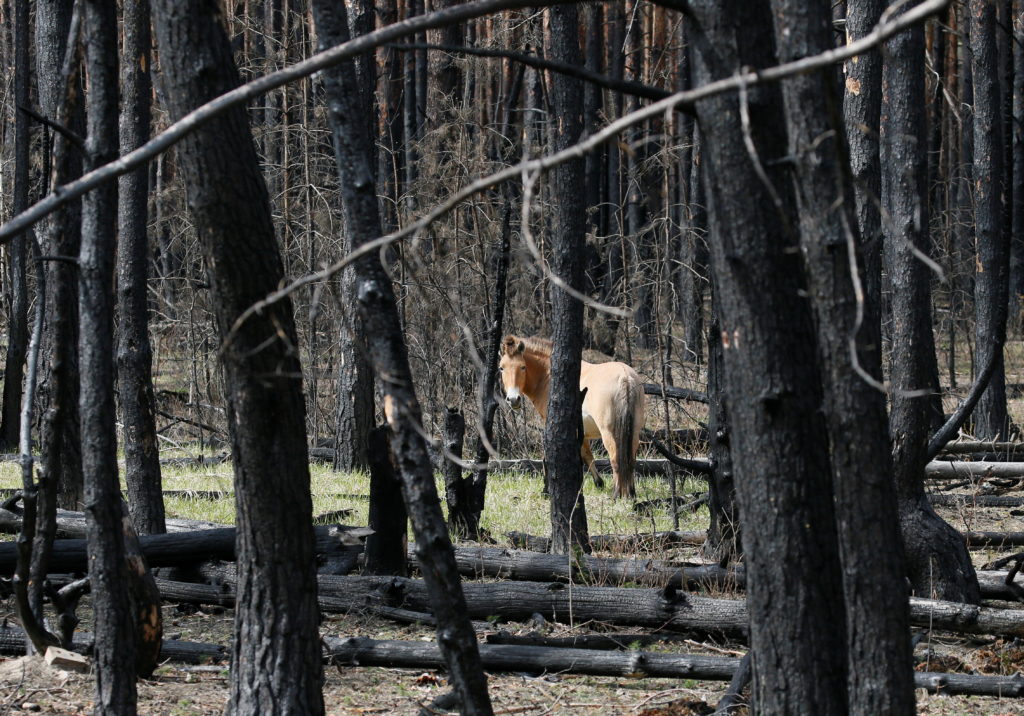
Wolves, bears and lynx have rebounded in the radioactive landscape, along with a rare breed of horses native to Mongolia. Scientists say it shows nature’s ability to recover when human activity is removed.
Wolves, bears and lynx have rebounded in the radioactive landscape, along with a rare breed of horses native to Mongolia. Scientists say it shows nature’s ability to recover when human activity is removed.
My understanding was that radiation was harmful to wildlife, but less harmful than humans. So not exactly uplifting…
Really, the risk of radiation is pretty damn low. There are some hot spots, and maybe you’d find a hot piece of material (probably not) but it’s mostly just wilderness that has restricted access. It’s not dangerously radioactive. Even in Pripyt it’s mostly fine. You can even get close to the destroyed reactor and be OK. Keep in mind, the last reactor at Chernobyl only stopped operating in 2000.
its barely negligible apparently. the only danger is the red forest, and truffle,fungi that grow that which hyperaccumulates the radioisoptopes, they found the wild boars had hight amounts of those isotopes, they couldnt figuer it out until they found them eating the fungi.
THIS!
some people blindly react to everything “nature” or “non-humans” as purely good…
without thinking that maybe the animals moving to Chernobyl area might not be living their best lives, because the human-generated radiation is still there…