Agreed; the idea of “you can kill any NPC, do anything you want, and still beat the game” doesn’t sound appealing to me. If there really is that much freedom in how the game is “completed”, then it doesn’t sound like it’s earned in any way. Just make it a sandbox game with no end at that point.
I’d much rather the freedom to do anything you want, but then have consequences and close off possible routes or even the ability to complete the game altogether. Maybe that is what this game actually does, I don’t know, I admit I didn’t read the article. But the idea of “do anything, still win!” isn’t something I want.
I really love the game desing behind this system. The game is on a timer, but instead of time going foward all the time, the quest “cost” time.
Way of the samurai games did this kind of trick back in the day. In those games the day was divided in to four parts, morning, noon, evening and night. Player had unlimited time to wander the game world, but once they did something big, the time would go foward and depending on what you did the story would go in to different direction. After 5 full days the game would come to a finale, but how you acted, effected who was alive and wich side of the final conflict you would be.
The game ending and story coming to a finale does not necessarily mean you win.
If the game is fun to play and one play trough does not take forever to finish, i can see my self playing the game multible times trough and trying to find the way to make everything end the way i want.
That added context puts it into a different light for me. Don’t think it would be something I’m interested in, but can see what the appeal is for other people
Go play Morrowind. Its literally this. And doing it where you murder everyone and fail every quest. Is easily the hardest path and very much the most earned.
Morrowind was my first ES game, played it when it came out! I never deviated that far from the path to kill the important NPCs for the main quest (well, anything I guessed was main quest), out of fear of locking myself out of finishing the game. I learned early in the game that you could screw yourself over…
Don’t you have to use some exploits to beat the game if you kill certain NPCs, though?
Not the original commentor, but i think they meant more narrative failure than mechanical failure.
Like “You failed to save person from burning house, and the failure changes how the story unfolds.” Not “You died to a boss and you need to try again.”
First example of narrative failure that came to mind is from Deus Ex: Human Revolution.
There is objective where you need to protect a chrashed pilot from enemies, but if you fail the game does not fail and load previous save. The game goes on and characters death effects the dialogue and a certain story point later in the game.
In souls games, no matter how many times you die, the narrative does not change. Dying effects you only in mechanical sense, where you might loose some recources, but you will never lose them permanently, but there are narrative moments that you can fail. Like in bloodborne if you summon certain npc to your haven, he starts to murder other people you have brought there.


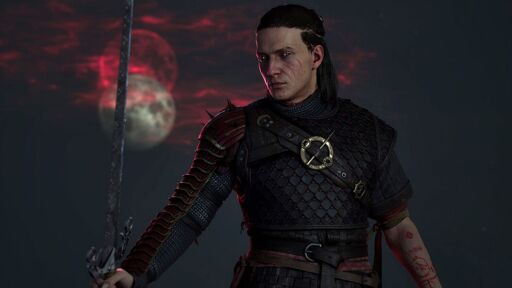
I really like it when quests can fail and failing actually opens another path to something. Possibility of failure in general is good as well.
Agreed; the idea of “you can kill any NPC, do anything you want, and still beat the game” doesn’t sound appealing to me. If there really is that much freedom in how the game is “completed”, then it doesn’t sound like it’s earned in any way. Just make it a sandbox game with no end at that point.
I’d much rather the freedom to do anything you want, but then have consequences and close off possible routes or even the ability to complete the game altogether. Maybe that is what this game actually does, I don’t know, I admit I didn’t read the article. But the idea of “do anything, still win!” isn’t something I want.
I really love the game desing behind this system. The game is on a timer, but instead of time going foward all the time, the quest “cost” time.
Way of the samurai games did this kind of trick back in the day. In those games the day was divided in to four parts, morning, noon, evening and night. Player had unlimited time to wander the game world, but once they did something big, the time would go foward and depending on what you did the story would go in to different direction. After 5 full days the game would come to a finale, but how you acted, effected who was alive and wich side of the final conflict you would be.
The game ending and story coming to a finale does not necessarily mean you win.
If the game is fun to play and one play trough does not take forever to finish, i can see my self playing the game multible times trough and trying to find the way to make everything end the way i want.
That added context puts it into a different light for me. Don’t think it would be something I’m interested in, but can see what the appeal is for other people
Go play Morrowind. Its literally this. And doing it where you murder everyone and fail every quest. Is easily the hardest path and very much the most earned.
Morrowind was my first ES game, played it when it came out! I never deviated that far from the path to kill the important NPCs for the main quest (well, anything I guessed was main quest), out of fear of locking myself out of finishing the game. I learned early in the game that you could screw yourself over…
Don’t you have to use some exploits to beat the game if you kill certain NPCs, though?
Nope, just a fuck load of booze chugging and magic to heal and fortify your hp.
The only problem you have to solve to beat morrowind is the damage that sunder and keening do to you.
You can solve it via wraith guard or just make your self so unbelievably tanky that it’s trivial.
You may like TTRPGs.
I do! Especially not overcomplicated with rules. Monster of the week is one of my favorites.
To anyone that likes learning, yes. Then there are the people who are still crying about Dark Souls not having a difficulty slider.
Unfortunately there will always be more of the second group than the first.
Not the original commentor, but i think they meant more narrative failure than mechanical failure.
Like “You failed to save person from burning house, and the failure changes how the story unfolds.” Not “You died to a boss and you need to try again.”
First example of narrative failure that came to mind is from Deus Ex: Human Revolution. There is objective where you need to protect a chrashed pilot from enemies, but if you fail the game does not fail and load previous save. The game goes on and characters death effects the dialogue and a certain story point later in the game.
In souls games, no matter how many times you die, the narrative does not change. Dying effects you only in mechanical sense, where you might loose some recources, but you will never lose them permanently, but there are narrative moments that you can fail. Like in bloodborne if you summon certain npc to your haven, he starts to murder other people you have brought there.