

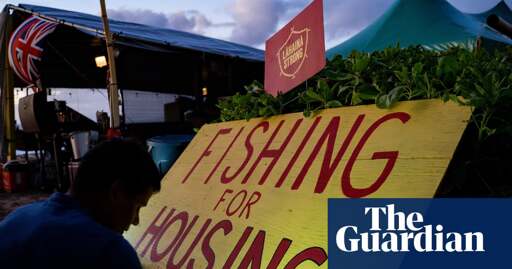
In March, Hawaii was hit with two back-to-back storms, bringing the worst flooding it’s seen in 20 years. In Lahaina, Maui, muddy flood waters turned streets into rivers and carved new paths through the barren landscape, breaking open roads and flooding houses. In their wake, sinkholes appeared, engulfing cars.
This is nearly three years after the deadliest wildfires in US history ravaged Lahaina, destroying more than 2,000 structures and killing more than 100 people. Hundreds of affected households are still in temporary housing. Poverty, unemployment and housing instability, rife before the fires, have only worsened.
And yet, organizers and residents remain determined to protect Lahaina from further climate crises and to rebuild the town for their community – not for tourists. Some, like Kaiāulu Initiatives, are planting acres of native plants to restore the land that was fallowed by decades of water diversion, making it susceptible to fire. Others, like Nā ’Aikāne o Maui Cultural Center, are now advising on the redevelopment of Front Street, the main drag of shops and restaurants that catered to tourists, to better honor its Native Hawaiian heritage and the local community.
But perhaps organizers’ greatest victory so far comes after years of talks with the mayor and local officials: in December, the city council passed a law to phase out 7,000 vacation rentals on the island – 15% of the island’s housing stock – to house fire survivors and other locals.
Such good initiative in phasing out vacation rental homes. BC did this with AirBNB and suddenly lots of landlords put their places on the market.
