It’s also way above the limit of a regular single layer solar. I think the theoretical limit was around 30% which can only be surpassed by having multiple layers like with perovskites.
It depends how you’re defining it. 95% of all wavelengths that hit it being converted is impossible, because solar panels only work within certain spectral ranges, but it’s theoretically possible, although technically difficult, to have 95% of all relevant wavelength photons converted into electricity.
You can game this a bit using tandem cells with layers of varying bandgaps, but even as the number of layers approaches infinity the theoretical maximum only increases to about 68%. They’re also not hugely practical or cheap, obviously, and in practice they barely reach above the regular limit of 33% due to engineering constraints. There are some other ways of trying to get around it, but I don’t know of any that can approach 95% efficiency.
Worth noting that this is staggeringly high efficiency in comparison to most other energy sources, given that at the end of the day all of them ultimately come from sunlight.
Ooh cool I hadn’t heard of them! My understanding from the wiki page though is that the 90% efficiency refers to energy transfer efficiency within the microwave range, rather than the conversion rate from sunlight which is theorised to be about 70%. The stuff about generating power in space using solar cells then transferring it back to earth sounds awesome, though possibly a bit impractical compared to regular solar farms.
Technically you could use them on the ground too, they just make a convenient method to build a recieving station for microwave beaming, so potentially if we ever get them working in optical ranges its just a much better solar pannel.
Surprisingly not! I’d have expected photosynthesis to have similar energy efficiency to man-made solar panels, but it’s actually only around 11%. I suppose since leaves have more functions than just energy generation for a plant, it’s not usually an evolutionary imperative to maximise efficiency. There’s probably a bit of variation between different geographic regions, I’d imagine.
Ah, i meant the chloroplasts only. There’s ongoing research to replicate the high efficiancy, something with a wavelength matching molecular “antenna”. What was it, somewhere over 90%.


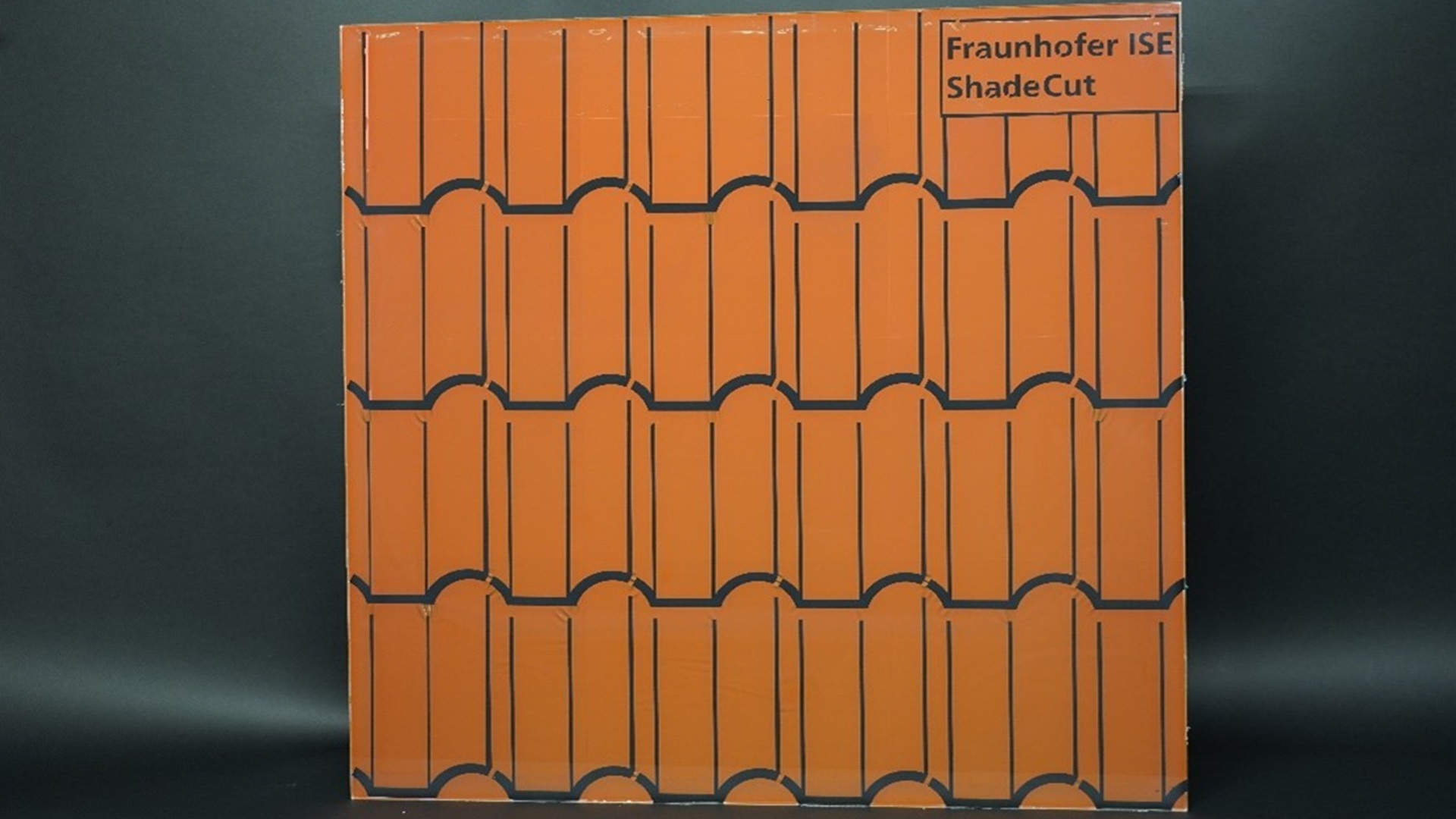
Yea. 95% efficient panel is Nobel prize level of story, making it look like a roofing tile would not even be a bullet point in the story
It’s also way above the limit of a regular single layer solar. I think the theoretical limit was around 30% which can only be surpassed by having multiple layers like with perovskites.
It’s also a physical impossibility iirc
It depends how you’re defining it. 95% of all wavelengths that hit it being converted is impossible, because solar panels only work within certain spectral ranges, but it’s theoretically possible, although technically difficult, to have 95% of all relevant wavelength photons converted into electricity.
For a p-n junction based cell, the theoretical maximum efficiency is about 33%.
You can game this a bit using tandem cells with layers of varying bandgaps, but even as the number of layers approaches infinity the theoretical maximum only increases to about 68%. They’re also not hugely practical or cheap, obviously, and in practice they barely reach above the regular limit of 33% due to engineering constraints. There are some other ways of trying to get around it, but I don’t know of any that can approach 95% efficiency.
Worth noting that this is staggeringly high efficiency in comparison to most other energy sources, given that at the end of the day all of them ultimately come from sunlight.
You could potentially get up to 90% (maybe more) efficiency with an optical recetnna. Though manufacturing one is presently out of reach.
Ooh cool I hadn’t heard of them! My understanding from the wiki page though is that the 90% efficiency refers to energy transfer efficiency within the microwave range, rather than the conversion rate from sunlight which is theorised to be about 70%. The stuff about generating power in space using solar cells then transferring it back to earth sounds awesome, though possibly a bit impractical compared to regular solar farms.
Technically you could use them on the ground too, they just make a convenient method to build a recieving station for microwave beaming, so potentially if we ever get them working in optical ranges its just a much better solar pannel.
Sick. Seems like something to keep an eye on
I think plants are pretty close?
Surprisingly not! I’d have expected photosynthesis to have similar energy efficiency to man-made solar panels, but it’s actually only around 11%. I suppose since leaves have more functions than just energy generation for a plant, it’s not usually an evolutionary imperative to maximise efficiency. There’s probably a bit of variation between different geographic regions, I’d imagine.
Ah, i meant the chloroplasts only. There’s ongoing research to replicate the high efficiancy, something with a wavelength matching molecular “antenna”. What was it, somewhere over 90%.